Open infrastructure for research and education
Each community gets a hub with the tools, data, and resources for their workflows
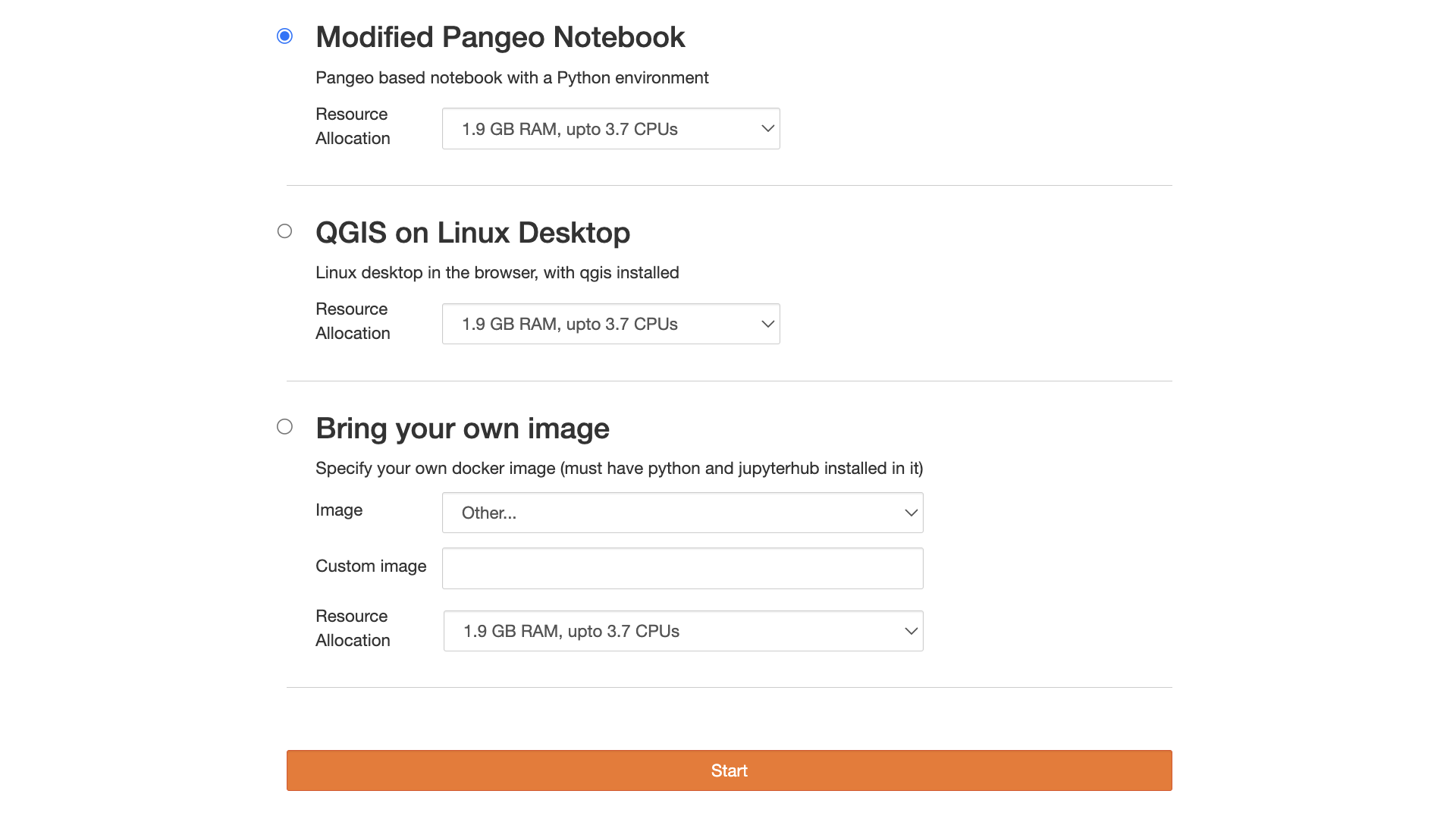
Resource and user management
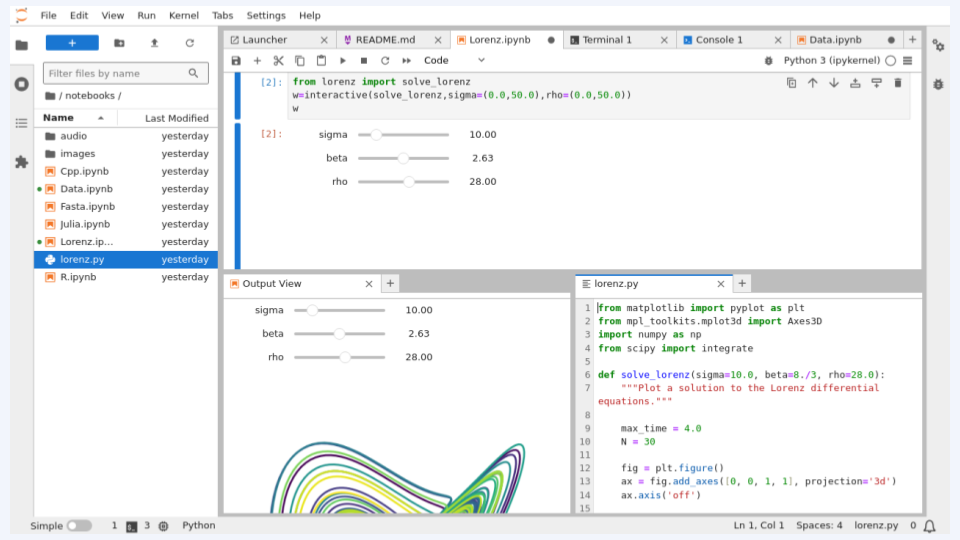
Interactive interfaces
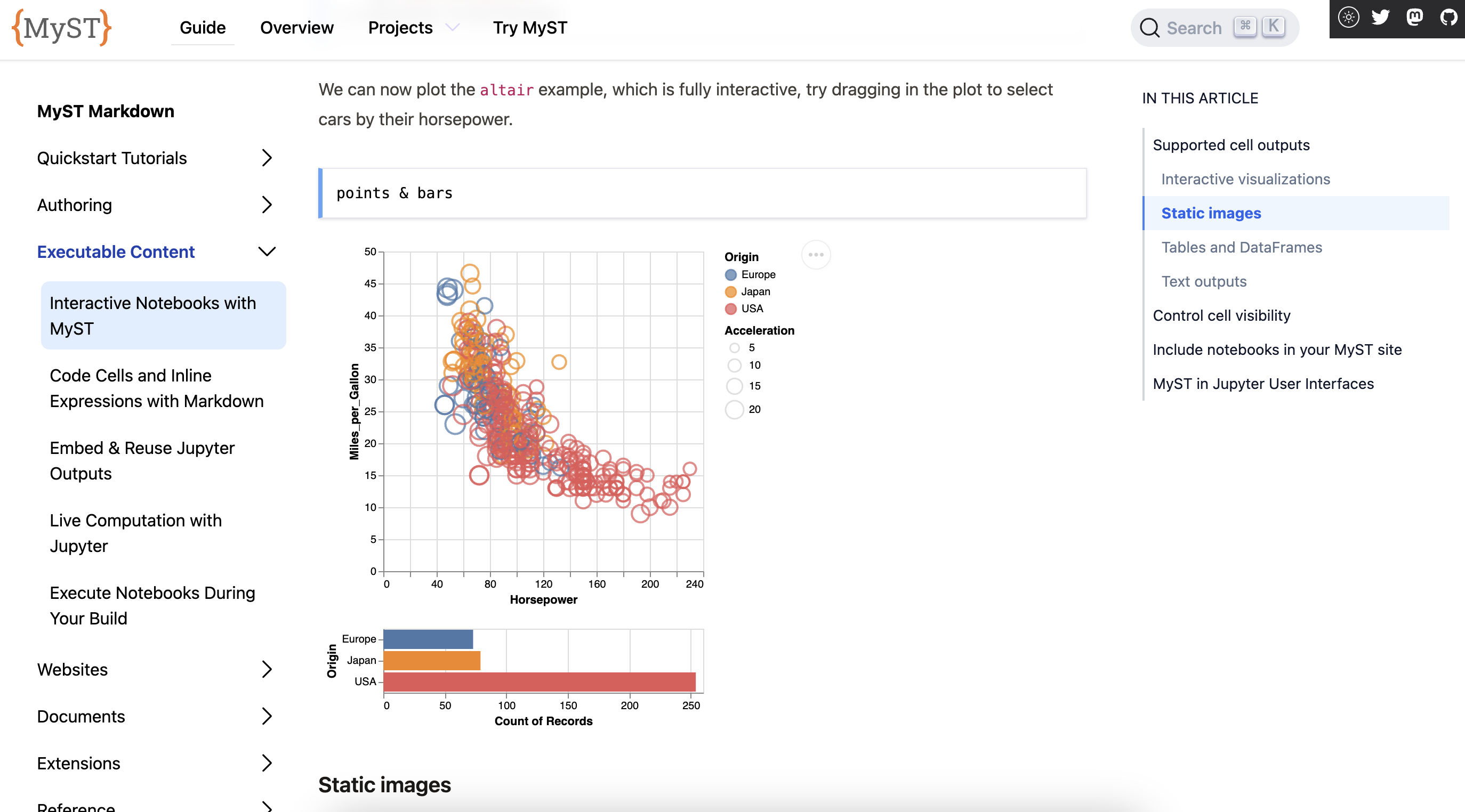
Computational knowledge bases
Membership in our network provides access to our hub platform so your community can create and share knowledge with open infrastructure.
Communities
>90Active users
>6500Countries
>15Upstream PRs
>2000






What is a community hub?
A hub is a cloud environment where your community can access shared tools, data, and computational resources.
 and
and  .
.Choose from community-maintained stacks or bring your own.
Community leaders control who can use the hub.
From laptops to GPUs, sized for your workflows.
What makes us different
We exist to serve research and education communities, not shareholders. Your Right to Replicate means you can take your infrastructure anywhere, with or without us.
We listen to researchers and educators, then work with upstream open source projects on solutions that benefit everyone — not just our members.
Our network connects communities across disciplines. When geoscientists and biologists face similar challenges, we bridge the gap through shared tools and practices.
Recent work
We share our progress and impact on our blog.
Allow limiting access to Dask Gateway based on group membership
Starting with Dask Gateway version v2026.3.0, JupyterHub access scopes support has been added to Dask-Gateway. What this means for JupyterHub users, is that hub admins can control, via JupyterHub RBAC, which hub users or groups have access to Dask-Gateway.
Accessibility improvements in Jupyter Book
We helped shepherd and implement a batch of accessibility improvements in myst-theme as part of the Jupyter Book project. The Jupyter Book team blogged about it here: jupyterbook.org/blog/posts/2026/accessibility-improvements Accessibility is a key part of making technology broadly impactful and useful, and it’s increasingly a requirement for the institutions we serve.
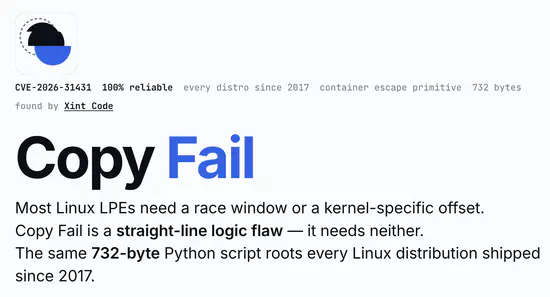
Protecting our hubs against the CopyFail kernel exploit
The recently disclosed CopyFail Linux kernel zero-day (CVE-2026-31431) opens up a way for code running inside a container to break out onto the underlying node. We took a close look at our hubs to confirm whether they were exposed, confirmed that our hubs are likely not at risk, and added another layer of protection just in case.
Learn more or get started
Subscribe to our newsletter for monthly updates on open infrastructure.